I have limited my social media to 15 minutes per day. (It does wonders for my well-being–try it!)
Despite that short period of time scrolling through my feed, I’ve noticed a ton of bad career and life advice out there for young professionals and college grads. It’s coming from inexperienced, underdeveloped, and overconfident influencers, as well as some of my peers projecting old rules from a different era.
Here are 10 pieces of bad advice for young professionals and new grads, and why you should ignore them:
- Follow your passion.
Lovely sentiment, terrible strategy. Most people don’t have a calling in their 20s, and the ones who do often find that it stops feeling like a calling the minute it becomes a job. Passion typically grows out of doing a wide range of work and discovering what resonates over time. And this advice ignores market realities, such as which industries are growing, which roles are available, and what kind of income is needed to live. - Don’t settle — hold out for your dream job.
Most people have bills to pay. Meanwhile, as you wait for the dream job, your anxiety deepens, your resume gap grows, your savings drain, and you lose months of otherwise practical experience. Getting a decent job and moving toward your goal from there is almost always a better move. - Your degree is enough.
It’s not. Networking, internships, references, soft skills, and follow-up matter more than most people want to admit. The degree gets you past some early filters; the rest is on you to make it happen. - Ask your parents to circulate your resume.
Nobody wants to hire someone’s kid who hasn’t made the effort. If your parents have professional connections that could be beneficial, reach out to them directly and share your resume. (Your parents may give them a heads up, but YOU need to do the outreach and follow-up.) Let them know what type of role you’re looking for and ask if they know of any opportunities or have any suggestions for people you could meet with. Be gracious and keep them updated on any leads they give you. - If you’re unhappy, just quit–or quiet quit.
Most jobs have an adjustment period; it’s often six months or more before you’re in the swing of things. And if you’re not, don’t panic. If you’re bored, ask your manager for more challenging assignments. If you’re overwhelmed, ask your manager for help prioritizing, seek out skills training, or find a mentor. Focus on building relationships that can help you grow, and you’ll experience a better fit. And, pretending to work and getting paid is not a good strategy. If you dislike your employer and want to leave, then start looking for a new job. But doing the bare minimum will not earn you a referral or reference, which is often vital for securing future employment. You may even get fired. - Corporate is a scam–be your own boss.
Most people need some experience working for someone else before they are ready to launch their own business. Unless you have an idea you can’t stop thinking about and it serves a market need, the path to a successful business can be long and difficult–often without a paycheck. This is a recipe for burning cash and confidence. Most successful founders overlap income and a side hustle until they get traction. - Keep your head down and do good work.
Doing good work is expected, but do not expect anyone to notice. You need to be heads up! Ensure your manager knows how your contributions are improving the team or the company. Track your accomplishments each week and share them with your manager during routine 1:1 meetings, quarterly check-ins, and annual performance reviews. - Confidence is the only skill that matters.
There are people who may get away with outsized confidence, but the market (or karma) eventually corrects for it. Yes, confidence will sometimes get you in the room, at the table, and assigned to the big project. What then? How will you get invited back, grow, and ultimately earn more? Focus on building competence because authentic confidence comes from actually doing the work. - You’re young; you don’t need to worry about saving or investing yet.
Possibly the most expensive advice on this list. A 22-year-old who waits until 32 to start investing needs to contribute roughly twice as much to end up in the same place. Start early. Start small. Live within your means (our Budget Tracker can help!). Your money will work for you in the long run. - You need to have it all figured out by 30.
Almost nobody does. Pressure to “lock in” your life with marriage and a career path too early leads to bad decisions made for the wrong reasons. Use your 20s to experiment, build skills, develop relationships, and get to know yourself more fully. And go at your pace.
The 20s are a time when small financial and career decisions have outsized long-term consequences — which makes the cost of bad advice unusually high.
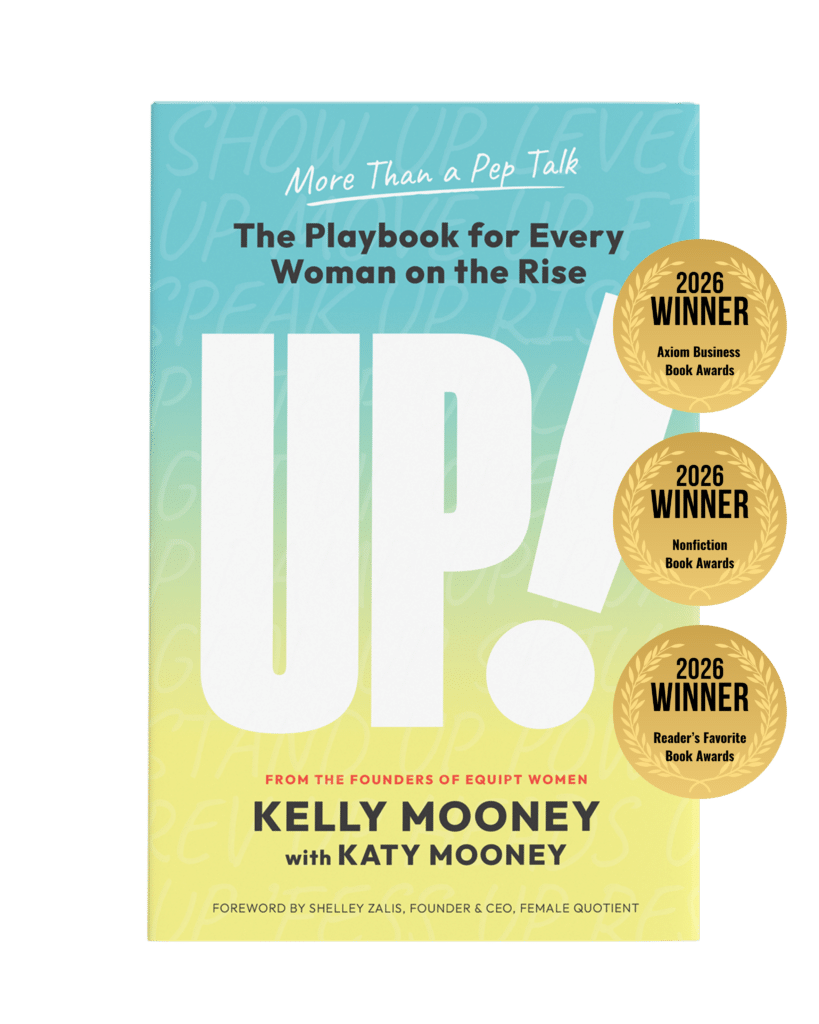
Here are 10 pieces of good advice for getting going in your 20s (also covered in my upcoming book, UP!):
- Focus on learning.
A great salary is awesome, but in your early years, getting into an organization where you can grow, access training, learn how the business operates, and work with seasoned talent who will guide, teach, and champion you is more important. It will position you for a better long-term earning trajectory. - Be a self-starter. Don’t wait to be told what to do — notice obstacles, fix problems that fall outside your job description, and make yourself useful before anyone asks. Colleagues will seek you out when they know you take initiative.
- Follow through.
Don’t assume the package has been delivered, the file has been received, or the meeting is happening. Take the extra step that ensures things go smoothly, and you will become a trusted colleague. - Say yes before you feel ready.
Be open to new opportunities and get comfortable being uncomfortable. Stretching with new assignments and feeling inexperienced or unsure are all natural parts of building a foundation. When you say yes early and often, you develop your skills and create more options down the road. - Ask for feedback.
Be proactive and seek feedback from your colleagues and manager. Don’t wait for someone to let you know how you’re doing. Ask for specific feedback to help you improve. - Build your network.
Stay in touch with college friends, instructors, and advisors. In your new organization, build relationships up, down, and across. A network of trusted relationships will be a mutually beneficial support system throughout your career. - Seek out mentors and sponsors.
Pay attention to who you admire and find natural ways to get in front of them. Volunteer for their projects, ask thoughtful questions, and request 20 minutes to learn about their career path. When they offer guidance, act on it and report back. Beyond mentors, cultivate sponsors too. These are senior leaders who will actively advocate for your advancement behind closed doors. You earn a sponsor’s advocacy with results — consistently deliver exceptional work, make sure they’re aware of your contributions, and ask for stretch assignments that put you in their line of sight. - Get good with money. Talk about money. Learn to negotiate the compensation you deserve. Stay close to your money and never abdicate your finances to a spouse or partner. And invest early and consistently, even if it’s only a little bit each month. You’ll build financial security, which gives you more options down the road.
- Change jobs strategically.
Don’t automatically jump when another employer dangles more money. Yes, you can earn more quickly that way, but if you leave too soon, you haven’t learned much or made an impact yet. If you do this too many times, you will discover a thin set of skills and a flimsy network. Be clear about your goals and what you want to learn next before leaving. - Take care of yourself.
Learn to draw healthy boundaries at work and in relationships– yet recognize that this requires patience and flexibility. Pay attention to what your mind, body, and heart need. You are the CEO of your life, so don’t wait for someone else to take care of you or lead the way.
Do you know a recent grad or someone just starting out? Send this newsletter their way — the 20s are messy, exciting, and full of more possibilities than most people realize.
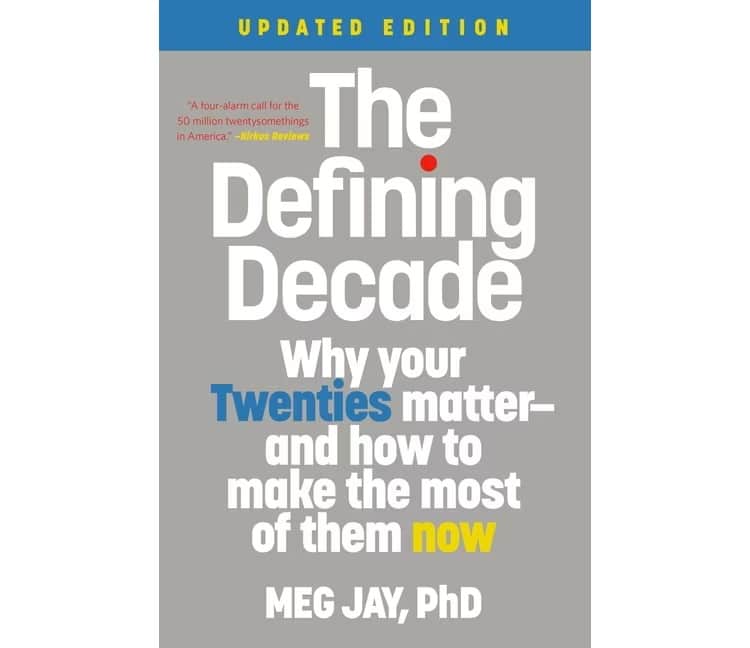
If this resonates, I highly recommend Dr. Meg Jay’s The Defining Decade, which makes a compelling, research-backed case for why your 20s matter more than you think and how to make the most of them. Morgan Housel’s The Psychology of Money is another essential read for building a healthier relationship with finances early on.

And for new grads who need a strong foundation, my upcoming book, UP!, is now available for pre-sale.
You are equipt to thrive early.