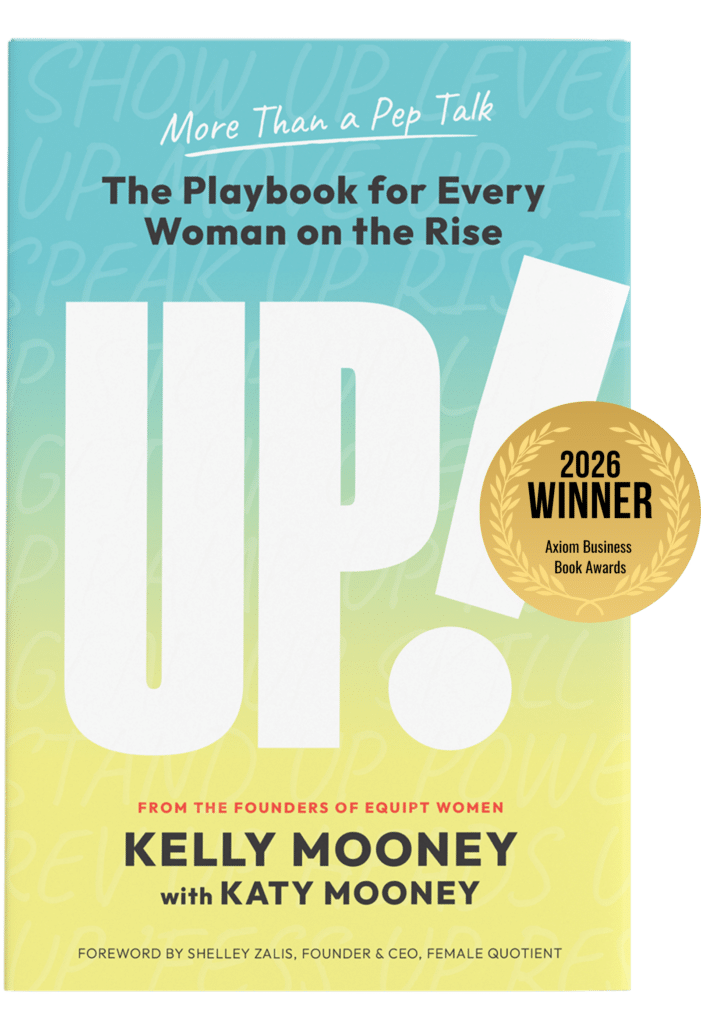
[psst….you might want to share this newsletter with a man in your life. 👀]
Scott Galloway is everywhere. He’s a baller. And I’m a fan—most of the time (minus ½ the penis jokes).
I’ve read all of his books and regularly listen to his various podcasts. In the 2010-2015 timeframe, we were peers—running digital services companies—and we spoke at many of the same conferences. Since then, his visibility, notoriety, and wealth have skyrocketed. Good for him. 🙌
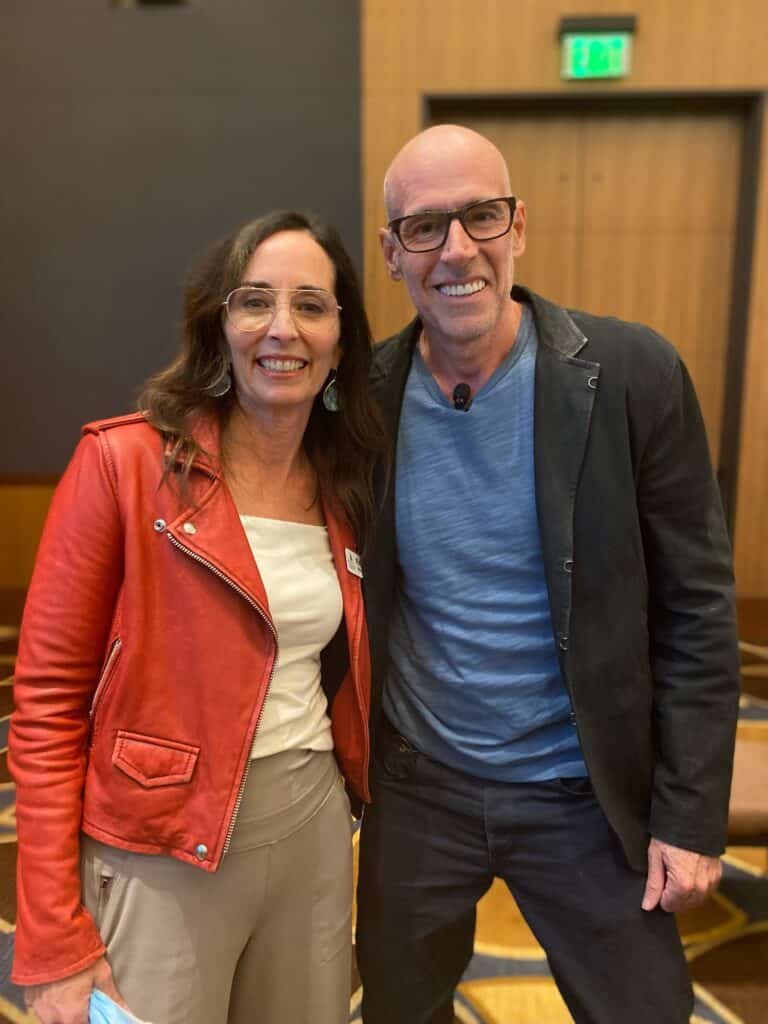
If you’re paying attention, he cares deeply about the state of young men and masculinity and wants to make a positive impact by encouraging more discussion on how we got here and what to do about it. I’m glad he’s making the effort. Young men face serious challenges–loneliness, addictions, education struggles, mental health issues, and a lack of positive mentors. The fact that someone with a large audience is offering guidance is meaningful.
We need more men talking to men about how to become better men.
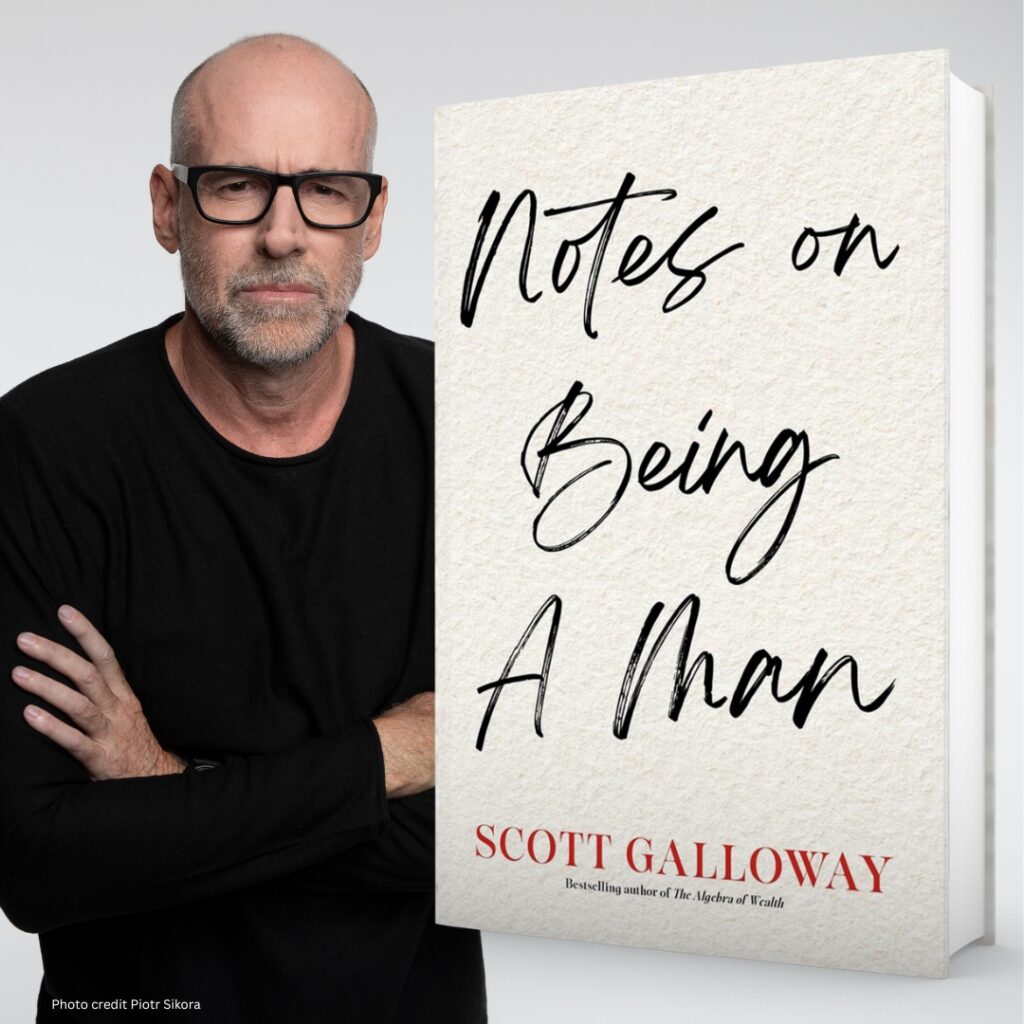
Galloway’s latest book, “Notes on Being a Man,” explores what masculinity means with advice on career ambition and fatherhood. Because the content is derived from his personal experience, he focuses on men seeking heterosexual relationships. It reads like a memoir with “notes” of actionable insight concluding each of 10 chapters. He’s direct, provocative, vulnerable, and unapologetic. And he’s right about some important things:
- Masculinity is in crisis
- Young men need more positive role models
- Adding “surplus value” at work and in relationships is essential
- Follow your talent and take risks
- Self-improvement is key—work out, develop skills, be disciplined (and learn to dance lol 😆).
It’s solid advice. And I’m sure his target audience will get a lot out of it–especially if they listen to him read the audiobook.
His framework—provider, protector, procreator—is succinct and easy to grasp. Maybe it’s what men need to hear. It’s also shockingly provincial. It fails to recognize the need for men to evolve. Since women entered the workforce, they have been continuing to do the bulk of the work of maintaining a home and raising a family. Galloway never acknowledges this and admits to not seeing his kids much in the early years. His three Ps feel like they were pulled from a 1950s time capsule, dusted off, and repackaged for the bro podcast circuit. (Note: Galloway hates criticism, so that might sting a little.)
The most glaring omission in this alliterative trilogy?
Partner. ‼️
In full disclosure, I sent Galloway an email months ago, when he was writing the book, suggesting he add “partner” to his prescriptive framework. No response. 🤷🏻♀️
This isn’t just a semantic quibble.
By leading with “provider, protector, procreator,” Galloway centers masculinity around making money, demonstrating strength, and making babies. It’s masculinity as a list of things you do rather than who you are in a relationship with another person. Without “partner,” this framework is not only a wobbly 3-legged stool—it’s also outdated and sabotaging. (Were any women consulted in his research? I doubt it.)
As a voice for women, here’s what partnership looks like:
- Do the work without being asked. Take on your share of the mental load at home—make appointments, prepare dinner, remember your parents’ birthdays, replace what’s running low in the fridge, and throw in a load of laundry. Notice when she’s stressed out and take something off her plate. If she left for two weeks, could the household function? That’s the bar.
- Share power. She’s an equal in the relationship. Her career matters as much as yours. Her time is as valuable, too. Ask about her career aspirations, and then discuss and align on decisions and tradeoffs to make both of you happy. If you’re the primary breadwinner, don’t weaponize your paycheck and call the shots.
- Be present, not just in the room. Put down your phone. Be kind and engage with her day. Listen to her without trying to solve the problem. Show up for hard conversations without getting defensive. Being home while mentally checked out doesn’t count. Presence means you’re invested in the daily reality of your shared life (including the early days and years of parenthood), not just the highlight reel.
These are harder to package into a punchy framework. They might seem “soft” to some. You can’t easily measure them (and keeping score misses the point). But they’re what actually sustains relationships. And while Galloway refers to partnership in some parts of the book, he doesn’t seem to acknowledge the importance of it as the missing link in what women are seeking in modern relationships.
Here’s the reality: the pay gap, the promotion gap, the wealth gap—these still exist partly because women do the majority of unpaid labor at home. Until women have equality at home, they won’t have equality at work. It’s that simple. So when advice to men ignores partnership, it’s not just tone-deaf—it’s economically consequential for women.
Let’s stop repackaging the same old dysfunction with better branding. And honestly? Men deserve better than that. So do the women trying to build lives with them. 💛
You’re equipt to enlighten a man in your life.