About 15 years ago, I was asked by a reporter, “What is your secret to having it all?” Perplexed and stalling for time, I answered her question with a question: “What does that even mean?” I wasn’t trying to be coy; I was trying to understand what she was asking with this nebulous phrase. Did she mean:
- “How do you manage a big job while raising two kids?”
- Or was she asking about something more expansive, like “How do you build a career, maintain a happy marriage, keep a nice home, spend time with friends, work out, and volunteer in our community?”
- Or was she being more philosophical in her inquiry, “How do you have a life that includes time for yourself, with so many competing priorities?”
I really had no clue.
I ultimately replied, “’Having it all’ is a phrase we need to retire. By its very nature, it seems impossible to define or achieve. It’s more burdensome than inspiring. And who needs that? Not me. And not a single woman I know.”
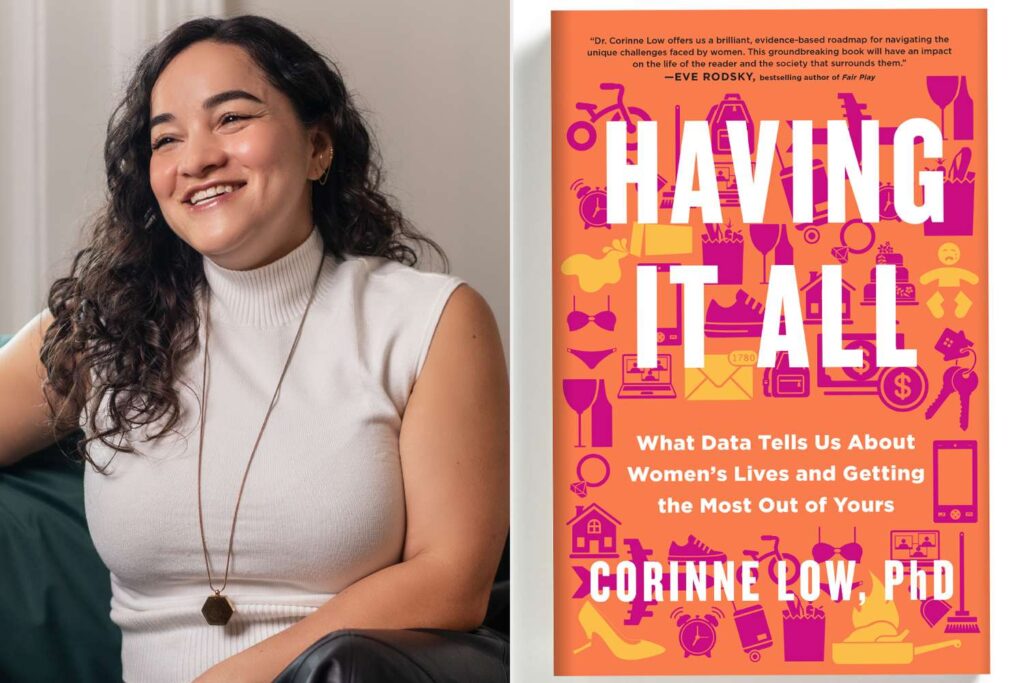
But we have not retired the phrase. Turns out my news feed recently surfaced a new book entitled Having it All: What Data Tells Us About Women’s Lives and Getting the Most Out of Yours. My initial instinct was to click away – “Are we still talking about this?!?”
Yes, we are.
The book’s author and Wharton economist, Corrine Low, PhD, argues that women’s exhaustion isn’t personal failure–it’s the system that’s broken. (Agree.) It’s another book diagnosing a problem everyone already knows exists. Women are exhausted by “doing it all.”
There are some good tidbits. Low provides validation for women who:
- Feel overwhelmed by a career while handling most of the housework and childcare
- Need encouragement to question unequal arrangements
- Seek a new mindset for making better “deals” at work and at home
These things are helpful and can reframe individual decision-making; however, specific, actionable advice is hard to come by. The author reveals that the only way she could “have it all” was to divorce a man, marry a woman, move to a new city with a shorter commute, and earn tenure with her university, which ultimately provided the pay and schedule flexibility she desperately needed.
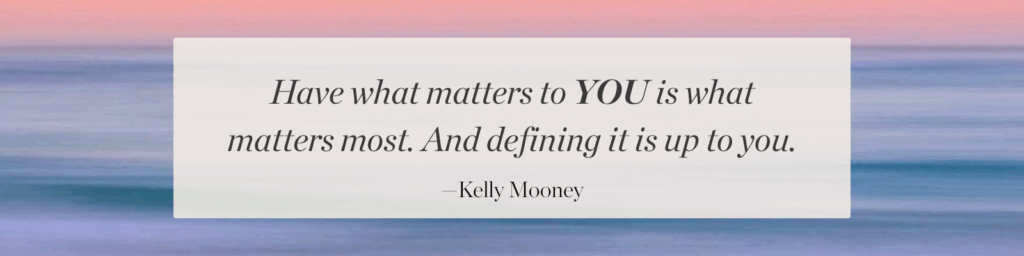
A book more women would want to read would be “Having What Matters to YOU is What Matters.” And what matters is what you care about–not your neighbor, college roommate, colleague, or sibling. That might be:
- A career with economic security and freedom to date and travel
- A career with rapid upward mobility and without children
- Family life with or without a demanding career
- Family life with a career taking a pause
- Going solo with many different careers and massive flexibility
- A right-sized career that funds the life and community work you love
- Building a business or pursuing creative work on your own terms
Or, something else entirely. It bears repeating: that is up to YOU to define for yourself.
Let’s stop pretending that “having it all” is a worthy target. It’s obscure and causes angst, resentment, or divisiveness. Your life doesn’t need to look like some societal blueprint for success and happiness. It needs to look like what you want, need, and desire.
If this topic appeals to you and you want to go deeper, I’m excited to announce that my new book is coming out late spring, 2026! I wrote this one with my sister, Katy, and it’s designed to help you create a career and life you love. Stay tuned for more info, or reply to this email to join the launch team!
You are equipt to dump the “having it all” mantra.